


-

Vendor: 5 Core
5 Core Speaker Stand Pair Adjustable 48" Heavy Duty PA DJ Tripod Studio Monitor Stands w Bag
SKU: SS HD 2PK 4FT WBSale price: $27.06
Regular price: $69.99 -

Vendor: 5 Core
5 Core Speaker Stand Pair Adjustable 48" Heavy Duty PA DJ Tripod Studio Monitor Stands w Bag
SKU: SS HD 2PK ORG 4FT BAGSale price: $33.19
Regular price: $69.99 -

Vendor: 5 Core
5 Core Speaker Stand Pair Adjustable 48" Heavy Duty PA DJ Tripod Studio Monitor Stands w Bag
SKU: SS HD 2PK SKY BLU 4FT BAGSale price: $26.24
Regular price: $69.99 -
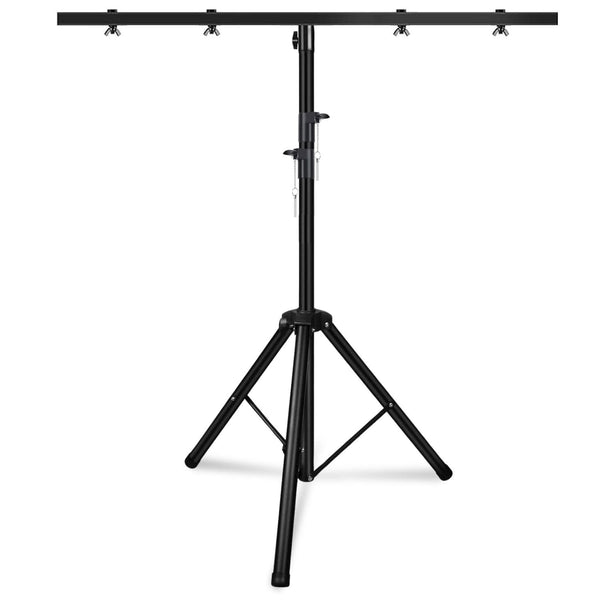
Vendor: 5 Core
5 Core DJ Light Stand Height Adjustable 39-100" Heavy Duty Tripod Stage Lights Stands w Light T Bar
SKU: LS 100 OPEN BOXSale price: $35.99
Regular price: $76.00 -

Vendor: 5 Core
5 Core Speaker Stand Pair Height Adjustable 54" Heavy Duty PA DJ Tripod Studio Monitor Stands
SKU: SS HD 2 PK 4.5 FT WH WOB OPEN BOXSale price: $29.99
Regular price: $60.00 -

Vendor: 5 Core
5 Core Speaker Stand Pair Height Adjustable 54" Heavy Duty PA DJ Tripod Studio Monitor Stands
SKU: SS HD 2 PK 4.5 FT RED WOB OPEN BOXSale price: $31.99
Regular price: $64.00 -

Vendor: 5 Core
5 Core Speaker Stand Pair Height Adjustable 54" Heavy Duty PA DJ Tripod Studio Monitor Stands
SKU: SS HD 2 PK 4.5 FT D BLU WOB OPEN BOXSale price: $26.99
Regular price: $62.00 -

Vendor: 5 Core
5 Core Speaker Stand Pair Height Adjustable 54" Heavy Duty PA DJ Tripod Studio Monitor Stands
SKU: SS HD 2 PK 4.5 FT YLW WB OPEN BOXSale price: $33.99
Regular price: $72.00 -
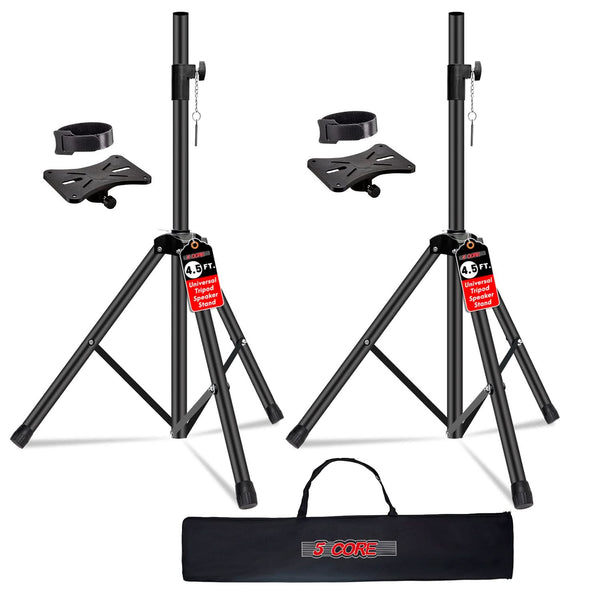
Vendor: 5 Core
5 Core Speaker Stand Pair Height Adjustable 54" Heavy Duty PA DJ Tripod Studio Monitor Stands
SKU: SS HD 2 PK 4.5 FT BLK WB OPEN BOXSale price: $28.99
Regular price: $68.00 -
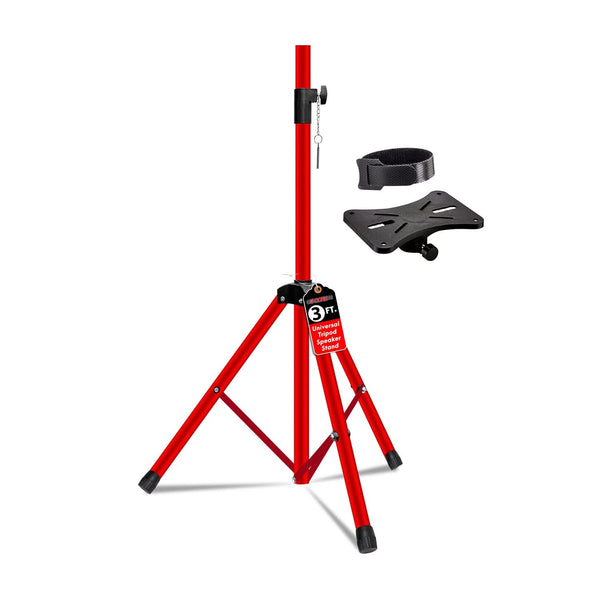
Vendor: 5 Core
5 Core Speaker Stand Height Adjustable 36" Heavy Duty PA DJ Tripod Studio Monitor Stands
SKU: SS HD 1PK 3FT RED WoB OPEN BOXSale price: $14.83
Regular price: $38.00 -

Vendor: 5 Core
5 Core Speaker Stand Adjustable 61" Heavy Duty PA DJ Tripod Studio Monitor Stands
SKU: SS SQ WH OPEN BOXSale price: $218.43
Regular price: $426.00 -
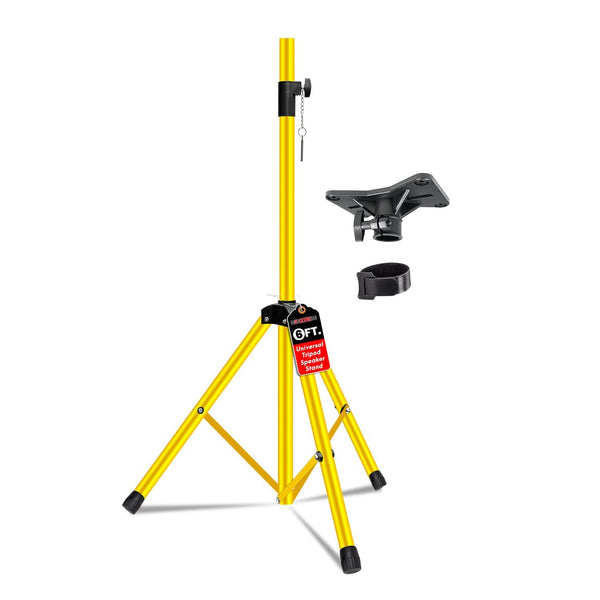
Vendor: 5 Core
5 Core Speaker Stand Height Adjustable PA DJ Tripod Studio Monitor Stands w 35mm Compatible Insert
SKU: SS ECO 1PK YLW WoB OPEN BOXSale price: $17.99
Regular price: $42.00 -

Vendor: 5 Core
5 Core Speaker Stand Height Adjustable 60" Heavy Duty PA DJ Tripod Studio Monitor Stands
SKU: SS HD 1PK 5FT OPEN BOXSale price: $18.99
Regular price: $40.00 -
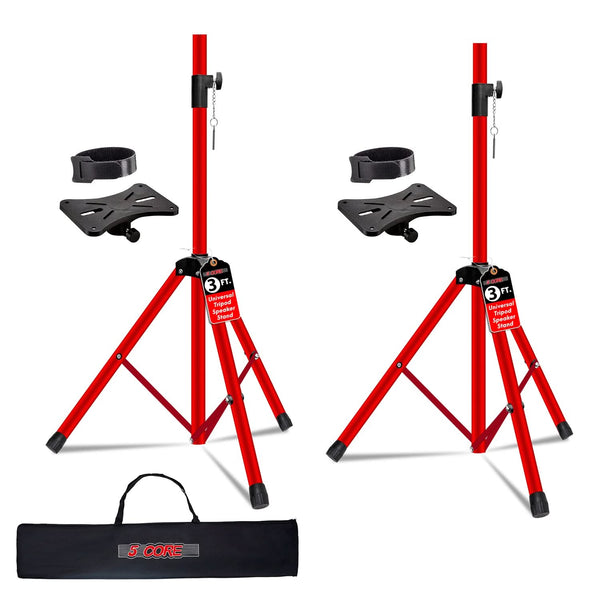
Vendor: 5 Core
5 Core Speaker Stand Pair Height Adjustable 36" Heavy Duty PA DJ Tripod Studio Monitor Stands
SKU: SS HD 2PK 3FT RED BAG OPEN BOXSale price: $21.99
Regular price: $54.00 -

Vendor: 5 Core
5 Core Speaker Stand Pair Height Adjustable 36" Heavy Duty PA DJ Tripod Studio Monitor Stands
SKU: SS HD 2PK 3FT BLK BAG OPEN BOXSale price: $19.58
Regular price: $60.00 -
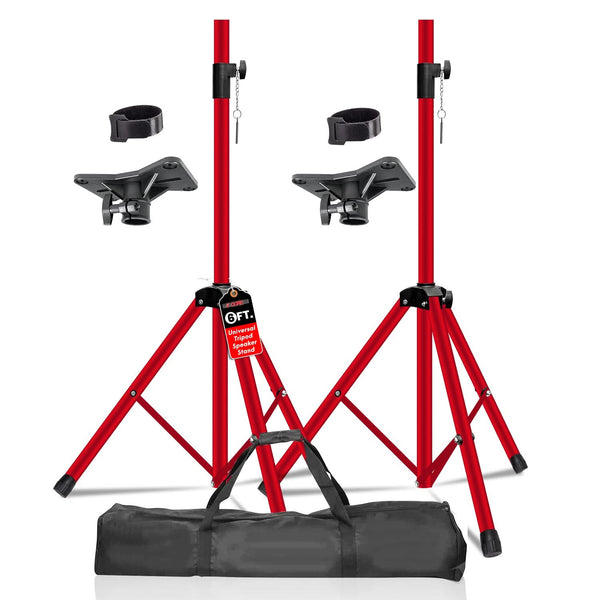
Vendor: 5 Core
5 Core Speaker Stand Pair Height Adjustable 72" Heavy Duty PA DJ Tripod Studio Monitor Stands
SKU: SS HD 2 PK RED BAG OPEN BOXSale price: $26.99
Regular price: $90.00 -
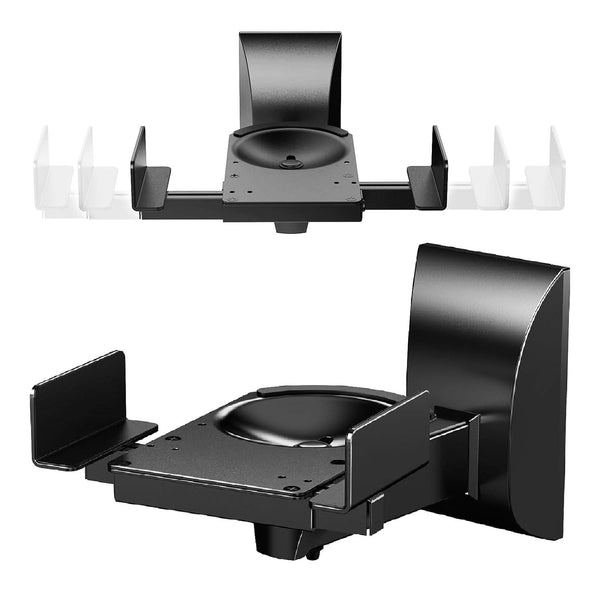
Vendor: 5 Core
5Core Speaker Wall Mount Adjustable Swivel 15 Inch Space Bookshelf Brackets Pair
SKU: WST 04-15 Pair OPEN BOXSale price: $22.99
Regular price: $54.00 -
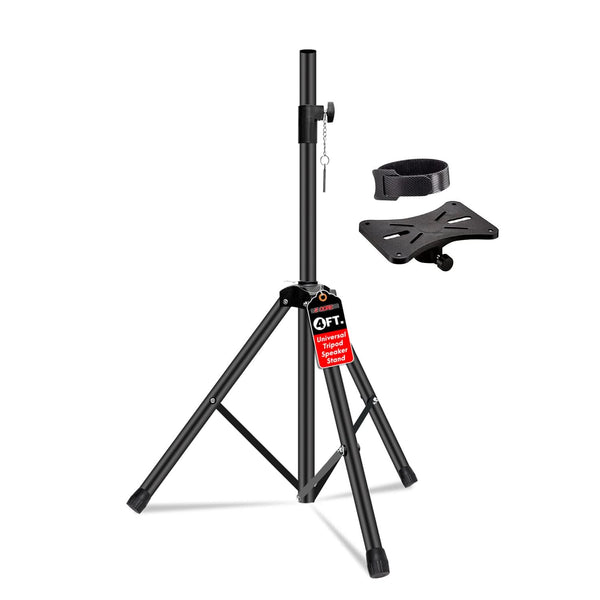
Vendor: 5 Core
5 Core Speaker Stand Tripod Heavy Duty Adjustable 48" Universal Mount for PA DJ Studio
SKU: SS HD 1PK 4FT OPEN BOXSale price: $16.99
Regular price: $52.00 -

Vendor: 5 Core
5 Core Speaker Stand Pair Height Adjustable 54" Heavy Duty PA DJ Tripod Studio Monitor Stands
SKU: SS HD 2 PK 4.5 FT SKY BLU WOBSale price: $36.21
Regular price: $60.00 -

Vendor: 5 Core
5 Core Speaker Stand Pair Height Adjustable 54" Heavy Duty PA DJ Tripod Studio Monitor Stands
SKU: SS HD 2 PK 4.5 FT ORG WOBSale price: $34.34
Regular price: $60.00 -

Vendor: 5 Core
5 Core Speaker Stand Pair Height Adjustable 54" Heavy Duty PA DJ Tripod Studio Monitor Stands
SKU: SS HD 2 PK 4.5 FT GR WOBSale price: $34.43
Regular price: $58.00 -
Vendor: 5 Core
5 Core Speaker Stand Pair Height Adjustable 54" Heavy Duty PA DJ Tripod Studio Monitor Stands
SKU: SS HD 2 PK 4.5 FT WH WOBSale price: $39.88
Regular price: $60.00 -

Vendor: 5 Core
5 Core Speaker Stand Pair Height Adjustable 54" Heavy Duty PA DJ Tripod Studio Monitor Stands
SKU: SS HD 2 PK 4.5 FT YLW WOBSale price: $33.35
Regular price: $60.00 -
Vendor: 5 Core
5 Core Speaker Stand Pair Height Adjustable 54" Heavy Duty PA DJ Tripod Studio Monitor Stands
SKU: SS HD 2 PK 4.5 FT RED WOBSale price: $34.69
Regular price: $64.00 -
Vendor: 5 Core
5 Core Speaker Stand Pair Height Adjustable 54" Heavy Duty PA DJ Tripod Studio Monitor Stands
SKU: SS HD 2 PK 4.5 FT D BLU WOBSale price: $36.99
Regular price: $62.00 -

Vendor: 5 Core
5 Core Speaker Stand Pair Height Adjustable 54" Heavy Duty PA DJ Tripod Studio Monitor Stands
SKU: SS HD 2 PK 4.5 FT BLK WOBSale price: $36.99
Regular price: $60.00 -
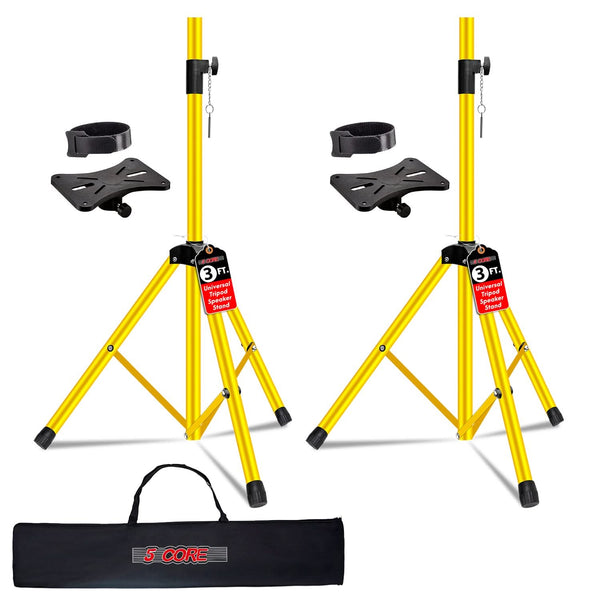
Vendor: 5 Core
5 Core Speaker Stand Tripod Pair Heavy Duty Adjustable 36" Universal Mount for PA DJ Studio w Bag (Copy)
SKU: SS HD 2PK 3FT YLW BAG OPEN BOXSale price: $33.99
Regular price: $72.00 -

Vendor: 5 Core
5 Core Speaker Stand Pair Height Adjustable 72" Heavy Duty PA DJ Tripod Studio Monitor Stands
SKU: SS HD 2PK SKY BLU WoBSale price: $38.99
Regular price: $72.00 -
Vendor: 5 Core
5 Core Speaker Stand Height Adjustable 60" Heavy Duty PA DJ Tripod Studio Monitor Stands
SKU: SS HD 1PK 5FTSale price: $23.39
Regular price: $40.00 -
Vendor: 5 Core
5 Core Speaker Stand Adjustable 61" Heavy Duty PA DJ Tripod Studio Monitor Stands
SKU: SS SQ WHSale price: $176.39
Regular price: $426.00 -

Vendor: 5 Core
5 Core Speaker Stand Heavy Duty Adjustable Telescoping Height Triangle Base 100Lb Capacity
SKU: SS TRI BASE 55 WHSale price: $45.00
Regular price: $106.00 -

Vendor: 5 Core
5 Core Speaker Stand Heavy Duty Adjustable Telescoping Height Triangle Base 100Lb Capacity
SKU: SS TRI BASE 55 BLKSale price: $49.92
Regular price: $106.00 -

Vendor: 5 Core
5 Core Speaker Stand Adjustable 61" Heavy Duty PA DJ Tripod Studio Monitor Stands
SKU: SS SQ BLKSale price: $179.99
Regular price: $382.00 -

Vendor: 5 Core
5 Core Speaker Stand Pair Height Adjustable 54" Heavy Duty PA DJ Tripod Studio Monitor Stands
SKU: SS HD 2 PK 4.5 FT D BLU WBSale price: $35.34
Regular price: $68.00 -

Vendor: 5 Core
5 Core Speaker Stand Pair Height Adjustable 54" Heavy Duty PA DJ Tripod Studio Monitor Stands
SKU: SS HD 2 PK 4.5 FT GR WBSale price: $37.81
Regular price: $70.00 -

Vendor: 5 Core
5 Core Speaker Stand Pair Height Adjustable 54" Heavy Duty PA DJ Tripod Studio Monitor Stands
SKU: SS HD 2 PK 4.5 FT ORG WBSale price: $39.19
Regular price: $70.00 -

Vendor: 5 Core
5 Core Speaker Stand Pair Height Adjustable 54" Heavy Duty PA DJ Tripod Studio Monitor Stands
SKU: SS HD 2 PK 4.5 FT RED WBSale price: $39.99
Regular price: $74.00 -

Vendor: 5 Core
5 Core Speaker Stand Pair Height Adjustable 54" Heavy Duty PA DJ Tripod Studio Monitor Stands
SKU: SS HD 2 PK 4.5 FT SKY BLU WBSale price: $37.84
Regular price: $74.00 -
Vendor: 5 Core
5 Core Speaker Stand Pair Height Adjustable 54" Heavy Duty PA DJ Tripod Studio Monitor Stands
SKU: SS HD 2 PK 4.5 FT YLW WBSale price: $36.79
Regular price: $72.00 -
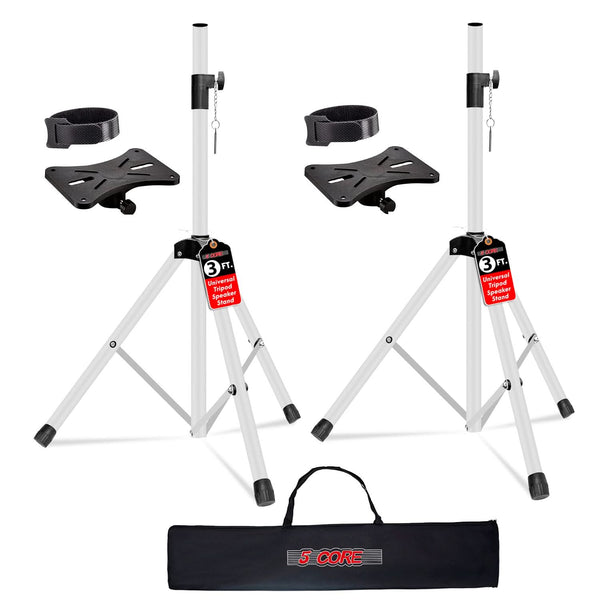
Vendor: 5 Core
5 Core Speaker Stand Pair Height Adjustable 36" Heavy Duty PA DJ Tripod Studio Monitor Stands
SKU: SS HD 2PK 3FT WH BAGSale price: $28.56
Regular price: $106.00 -
Vendor: 5 Core
5 Core Speaker Stand Pair Height Adjustable 36" Heavy Duty PA DJ Tripod Studio Monitor Stands
SKU: SS HD 2PK 3FT YLW BAGSale price: $28.71
Regular price: $54.00 -
Vendor: 5 Core
5 Core Speaker Stand Pair Height Adjustable 36" Heavy Duty PA DJ Tripod Studio Monitor Stands
SKU: SS HD 2PK 3FT RED BAGSale price: $35.99
Regular price: $54.00 -
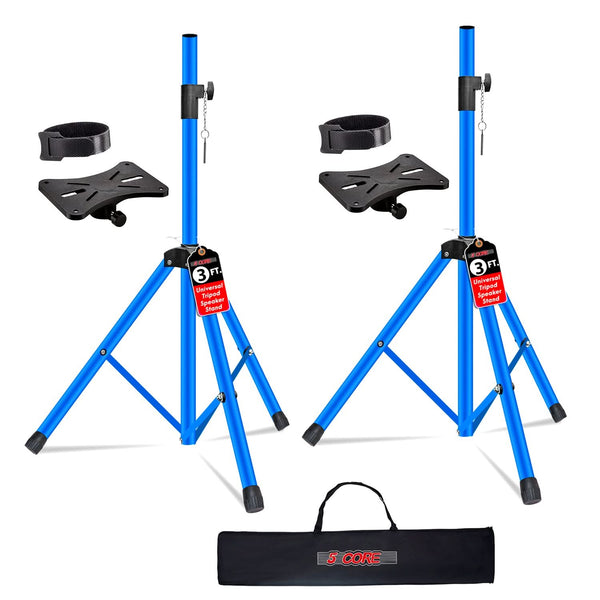
Vendor: 5 Core
5 Core Speaker Stand Pair Height Adjustable 36" Heavy Duty PA DJ Tripod Studio Monitor Stands
SKU: SS HD 2PK 3FT BLU BAGSale price: $28.73
Regular price: $52.00 -
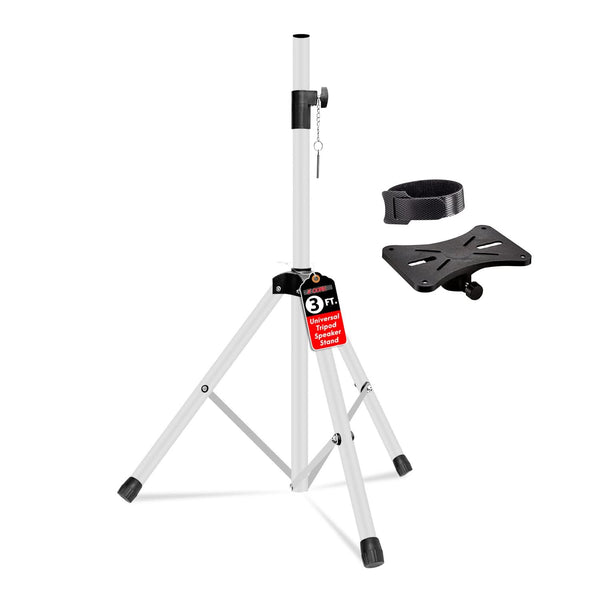
Vendor: 5 Core
5 Core Speaker Stand Height Adjustable 36" Heavy Duty PA DJ Tripod Studio Monitor Stands
SKU: SS HD 1PK 3FT WH WoBSale price: $17.58
Regular price: $44.00 -
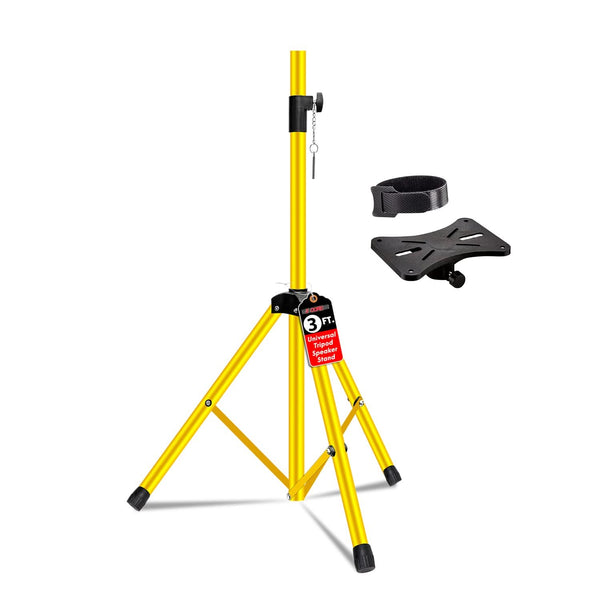
Vendor: 5 Core
5 Core Speaker Stand Height Adjustable 36" Heavy Duty PA DJ Tripod Studio Monitor Stands
SKU: SS HD 1PK 3FT YLW WoBSale price: $16.48
Regular price: $40.00 -
Vendor: 5 Core
5 Core Speaker Stand Height Adjustable 36" Heavy Duty PA DJ Tripod Studio Monitor Stands
SKU: SS HD 1PK 3FT RED WoBSale price: $15.96
Regular price: $38.00 -

Vendor: 5 Core
5 Core Speaker Stand Height Adjustable 36" Heavy Duty PA DJ Tripod Studio Monitor Stands
SKU: SS HD 1PK 3FT BLU WoBSale price: $20.99
Regular price: $44.00 -
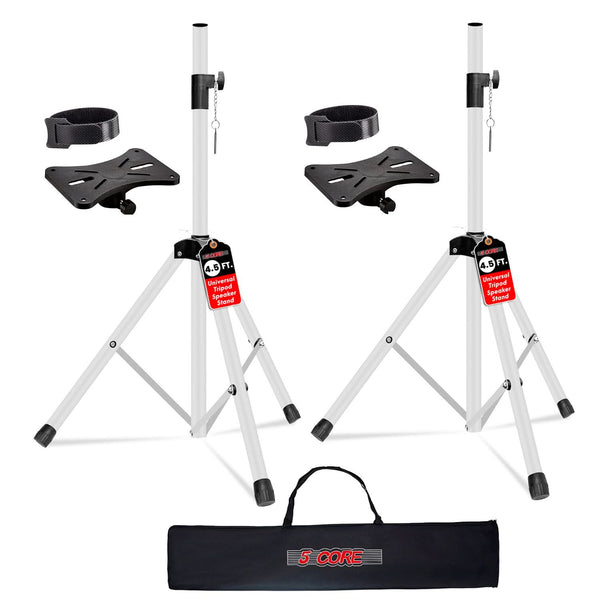
Vendor: 5 Core
5 Core Speaker Stand Pair Height Adjustable 54" Heavy Duty PA DJ Tripod Studio Monitor Stands
SKU: SS HD 2 PK 4.5 FT WH WBSale price: $39.99
Regular price: $74.00 -
Vendor: 5 Core
5 Core Speaker Stand Pair Height Adjustable 54" Heavy Duty PA DJ Tripod Studio Monitor Stands
SKU: SS HD 2 PK 4.5 FT BLK WBSale price: $39.19
Regular price: $68.00 -
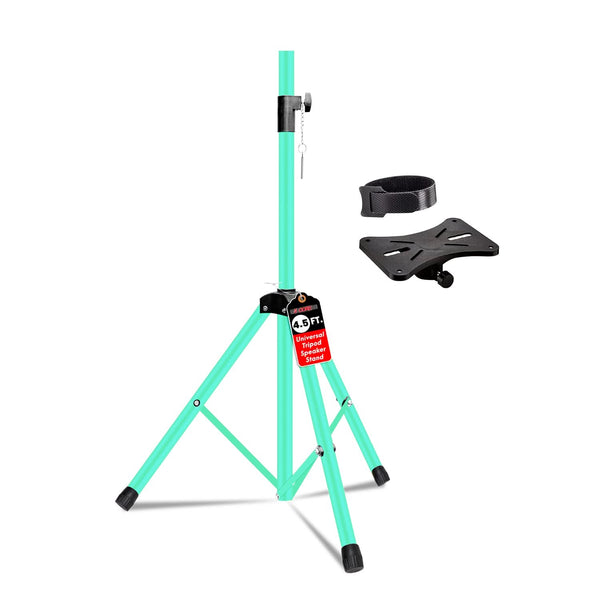
Vendor: 5 Core
5 Core Speaker Stand Height Adjustable 54" Heavy Duty PA DJ Tripod Studio Monitor Stands
SKU: SS HD 1 PK 4.5 FT GR WOBSale price: $21.43
Regular price: $42.00


Introduction – Why Your Speaker Deserves a Proper Stand
Speakers are designed to perform at their best when they sit on a stable, height‑appropriate stand rather than on the floor, a chair, or a shaky table. A proper stand lifts the speaker to the correct listening height, reduces unwanted vibrations, and helps project sound evenly across the room.
For live sound, stands also improve safety and coverage by placing PA speakers above head level so the sound clears the front row and reaches the back of the audience. Floor speaker stands, pole mounts, and tripods all serve this purpose in different ways, and choosing the right type is crucial when you are dealing with heavy, high‑output cabinets.
Heavy‑duty construction becomes non‑negotiable as speaker size and power increase. Larger PA tops and high‑wattage systems put real stress on the stand, so strong materials, proper load ratings, and reliable locks are what keep your investment – and the people around it – safe.
Source- Rollingstone
Types of Speaker Stands
Different setups call for different stand designs. This section helps readers quickly recognize which type matches their use case.
-
Speaker tripod stands: Tripods are the workhorse of live sound and mobile rigs, using three spread legs for a wide, stable footprint and easy folding for transport. They are popular for PA speakers in event halls, churches, and outdoor gigs because they balance strength, height, and portability.
-
Heavy duty speaker stands: These stands use thicker tubing, reinforced collars, and higher load ratings to support larger and heavier speakers safely. They are ideal for big tops, constant touring, or events where stands are frequently moved and re‑used.
-
PA speaker stands: This term typically refers to tripod or crank‑assist stands with standard pole diameters designed specifically for full‑range PA cabinets. They focus on safe lifting height, strong locks, and compatibility with common PA mounting sockets.
-
Floor speaker stands: Often used in home or studio environments, floor stands raise bookshelf or monitor speakers to ear level while controlling vibrations through rigid frames and isolation features. They are key for hi‑fi and nearfield listening where imaging and clarity matter.
-
Speaker pole mounts (subwoofer‑to‑top setups): Pole mounts use the subwoofer as a base, with a pole inserting into the sub and the top speaker mounted above. This is a compact, stable solution for many live rigs, especially when you already have heavy subs anchoring the system.
-
Adjustable vs. fixed‑height stands: Adjustable heavy duty stand let you set height for different venues or listening positions, while fixed‑height stands are often optimized for a specific ear level and prioritize rigidity. Adjustable models are common for PA and mobile DJ work; fixed heights are popular in hi‑fi and studio environments.
-
Studio vs. live‑performance stand differences: Studio and hi‑fi stands focus on isolation, resonance control, and exact listening height, while live stands favor portability, high load capacity, and quick setup. Both types aim to improve sound, but they are optimized for very different conditions.
Source- SoundSound
Key Features to Look For When Buying a Speaker Stand
Highlight these features clearly on your collection page so shoppers can match specs to their needs.
-
Maximum load capacity: Every stand has a rated maximum weight; speakers should always be under this rating, with some safety margin. For example, if a speaker weighs around 13–14 kg, a stand rated significantly higher adds peace of mind.
-
Height adjustability range: For PA use, stands should raise speakers high enough to project over the crowd, while studio and hi‑fi stands should position tweeters roughly at ear level when seated or standing. A clear height range helps buyers check this quickly.
-
Stand material (steel, aluminum): Steel usually offers more rigidity and higher load capacity at the cost of extra weight, while aluminum tends to be lighter and easier to transport. Both can be very strong when well‑designed.
-
Locking mechanisms (pins, knobs, auto‑locks): Reliable locks in heavy duty stand keep the height from slipping once the speaker is mounted. Systems can include safety pins, clamping knobs, or auto‑locking collars, and many pros prefer designs that combine mechanical clamps with pins as a fail‑safe.
-
Leg spread and footprint stability: Wider leg spreads and carefully designed footprints reduce the chance of tipping, especially with heavy cabinets or outdoor setups. Buyers should consider both stability and the floor space required around the stand.
-
Anti‑slip feet and vibration control: Rubber feet, spikes, or isolation pads prevent stands from sliding and help control resonances that color the sound. Studio and hi‑fi stands often offer more advanced isolation options, while PA tripods focus on grip and durability.
-
Compatibility with large speakers and PA speakers: Stands and poles must match the speaker’s top‑hat or mounting socket diameter (commonly around 35 mm for PA) and support its depth and weight safely. Clear compatibility notes help avoid mismatched gear.
Source- Therevolverclub
How to Measure Your Setup Before Buying
A small amount of measuring upfront ensures the stands you sell will work perfectly in your customers’ spaces.
-
Measuring ceiling height for optimal speaker placement: In rooms with low ceilings, PA speakers should be raised so the high‑frequency drivers sit above head level but not pressed right against the ceiling. In listening rooms, hi‑fi stands should bring tweeters close to ear height when seated.
-
Space requirements for tripod leg spread: Tripod legs can extend significantly; customers should measure floor area around the intended spot to ensure legs don’t block walkways, doors, or access to other gear.
-
Matching pole diameter with your speaker’s mount: Many PA speakers use a standard pole socket size, but buyers should confirm stand or pole diameter against their speakers to guarantee a snug fit.
-
How to assess weight distribution for large speakers: Users should consider not only the weight of each speaker but also how high it will sit and how far the cabinet’s center of gravity is from the stand’s center. Heavier boxes on very tall, narrowly spread stands may need heavier‑duty models or extra ballast.
Safety First – How to Prevent Your Speaker From Falling
Safety guidance reassures buyers and underlines your expertise.
-
Proper leg angle and spread: Tripod legs should be opened fully within the manufacturer’s intended range so the stand sits low and wide, not tall and narrow. Partial spreads may look tidy but drastically reduce stability.
-
How to check locking pins and knobs: Before every event or session, users should visually confirm pins are fully inserted and knobs are firmly tightened, then gently push on the stand to detect any slipping or wobble.
-
Tips for outdoor use (wind, uneven surfaces): Outdoors, wind and uneven ground increase tip‑over risk, so stands should be placed on the flattest possible area and checked carefully for wobble before raising speakers.
-
Using sandbags or weights for extra stability: Many professionals add sandbags or weight bags at the base of heavy duty stand to lower the center of gravity and resist tipping, especially outside or in crowded environments.
-
Placing speakers away from the crowd path: Stands should sit behind or to the sides of the audience rather than directly in walkways, minimizing the chance of someone colliding with a leg or cable.
Source- AV
Assembly & Setup Guide
This section should give clear, practical steps without replacing manufacturer manuals.
-
Step‑by‑step setup checklist:
-
Set the legs on the floor and spread them fully.
-
Adjust the stand to a low comfortable height and lock the collar.
-
Lift and mount the speaker onto the pole while keeping your back straight and knees slightly bent.
-
Raise to final height and secure safety pins and knobs.
-
Check for wobble and add weights if needed.
-
How to mount a speaker safely on a tripod: Encourage lifting speakers close to the body, using two people for heavy cabinets, and guiding the pole gently into the mounting socket without forcing it.
-
Best practices for handling heavy speakers: Heavier boxes should generally be lifted by two people, especially when stands are tall or stages are cluttered. Users should avoid twisting their backs under load and instead pivot their feet with controlled movements.
-
Mistakes to avoid during assembly: Common errors include not fully opening tripod legs, skipping safety pins, over‑extending the stand, or mounting speakers on stands that are not rated for their weight.
Source - Rollingstone
How to Choose the Right Stand for Your Speakers
Here you can guide visitors from reading to selecting a product category.
-
For large speakers vs. compact PA units: Big, deep cabinets call for heavy‑duty stands or robust pole mounts with higher load capacities and thicker tubing, while compact PA speakers can often use lighter, more portable tripods.
-
Heavy‑duty stand requirements for high‑wattage systems: High‑power systems generally use heavier enclosures, so stands must offer higher load ratings, strong locks, and wide bases to handle both weight and vibration.
-
When to use floor stands vs. tripod stands: Floor stands make more sense for home hi‑fi and studio monitors, where precise listening height and vibration control are priorities. Heavy duty stand suit PA and live situations where height, coverage, and portability matter most.
-
When a pole mount is better than a tripod: Pole mounts shine in compact setups with subwoofers, reducing floor clutter by stacking the top speaker directly above the sub and using the sub’s weight as an anchor.
-
Choosing stands based on venue size (home, church, event, studio):
-
Home and small studios: focus on proper listening height, isolation, and aesthetics.
-
Churches and event spaces: prioritize coverage, load capacity, and reliable locking mechanisms.
-
Touring rigs: choose stands that fold quickly, travel well, and withstand frequent setup/tear‑down cycles.
Source- Sounsound
Maintenance & Long‑Term Care of Your Speaker Stand
Good maintenance extends both performance and lifespan.
-
Cleaning and rust prevention: Wipe stands with a soft cloth to remove dust and moisture, and keep them dry to prevent corrosion, particularly if used outdoors or in humid climates.
-
Checking screws, joints, and pins regularly: Periodically inspect all fasteners for loosening or wear, tightening them before each major event or tour.
-
When to replace rubber feet: Rubber feet or spikes can wear, crack, or fall off over time; replacing them restores grip and helps maintain stability and vibration control.
-
Storage and transport tips for longevity: Fold your heavy duty stand fully before transport, avoid stacking heavy items on top of them, and store them in dry cases or bags to protect mechanisms and finishes.
Source- Kbaudio
Real User Scenarios – Which Stand Should You Get?
Use scenarios to link to curated product groups.
-
Mobile DJs needing strong yet portable tripods: Recommend lightweight yet high‑capacity tripods with quick‑locking height adjustments and robust bags for fast load‑ins and load‑outs.
-
Event organizers with heavy PA speakers: Suggest heavy‑duty stands or crank‑assist models rated well above the speaker weight, with wide leg spreads and strong safety pins.
-
Home studios using floor speaker stands: Studio and bookshelf speakers benefit from rigid floor stands with isolation features that reduce resonance and raise the drivers to ear level.
-
Touring musicians who need durable, foldable setups: For frequent travel, stand choices should focus on roadworthy construction, easy folding, and consistent performance from venue to venue.
-
Installations requiring stable pole mounts: Permanent or semi‑permanent installs with subs can use fixed poles or adjustable sub‑to‑top mounts that keep the system compact yet stable.
Source- Therevolverclub
FAQs
Question: Can one stand hold any type of PA speaker?
Answer: Not every stand is suitable for every speaker; users must match both the weight rating and the mounting diameter to their specific PA cabinets.
Question: How high should my speakers be placed?
Answer: For live sound, tops are usually placed so the high‑frequency drivers sit above head level and angled toward the audience; for hi‑fi and studio use, tweeters should be roughly at ear height at the listening position.
Question: How much weight can a heavy‑duty stand typically support?
Answer: Heavy‑duty PA stands often support significantly more weight than standard tripods, but exact limits vary by model, so checking the manufacturer’s rating is essential.
Question: Are tripod stands safe for large speakers?
Answer: Tripods are safe when they are properly rated, fully opened, and used with correct locking, but undersized or improperly set stands can be risky with bigger cabinets.
Question: What’s the difference between a pole mount and a tripod?
Answer: A tripod stand creates its own base on the floor, while a pole mount uses a subwoofer as the base, placing the top speaker directly above the sub in a more compact footprint.
Question: Do stands improve sound quality?
Answer: Yes, raising speakers to the correct height and reducing vibrations typically improves clarity, imaging, and overall tonal balance compared with placing them on random furniture or the floor.
Conclusion
The right heavy duty speaker stand does more than hold your speakers up; it improves sound quality, increases coverage, and keeps your audience safe by providing a stable, well‑placed platform for your system. By choosing stands that match your speakers’ weight, your venue size, and your usage – from home listening and studio work to events and touring – you protect your gear and unlock the full potential of your sound system.
Author Bio- Alex Even
Hi, I’m Alex Even. I’ve been working in the pro audio industry for over 15 years, specializing in everything from studio recording setups to live sound systems. Whether it’s fine-tuning a PA DJ system, choosing the right microphone, drum stool, keyboard bench or setting up a home studio, karaoke setup, I’ve spent years helping musicians, audio engineers, and content creators get the sound they’re looking for. I’m passionate about making audio technology easy to understand and even easier to use—because great sound should be accessible to everyone.
