


-

Vendor: 5 Core
5 Core Bass Guitar Strings Brass Phosphor Bronze Light Gauge Bright Tone 4 String Set
SKU: GS EL BSS 4PCSSale price: $9.99
Regular price: $23.00 -

Vendor: 5 Core
5 Core Bass Guitar Strings Brass Phosphor Bronze Extra Light Gauge Bright Tone 6 String Set
SKU: GS EL BSS 6PCSSale price: $11.89
Regular price: $20.00 -
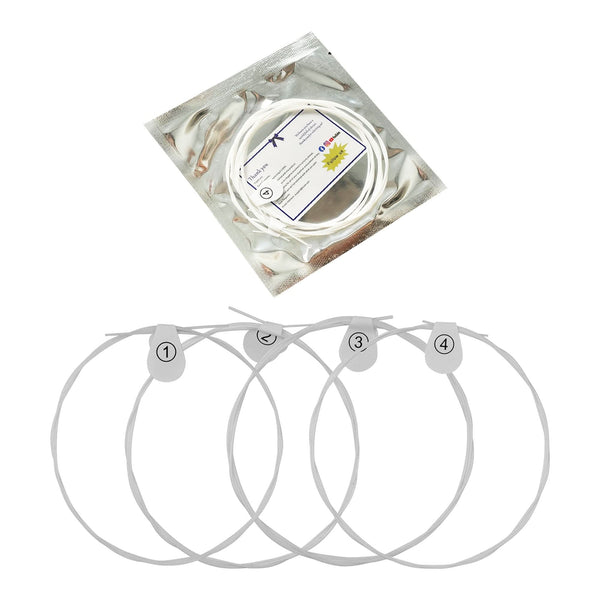
Vendor: 5 core
5Core Ukulele Strings Nylon w Deep Bright Tone Consistent Reliable Durability Uku String
SKU: UKS 1SET (4PCS)Sale price: $5.99
Regular price: $14.00 -

Vendor: 5 Core
5 Core Bass Guitar Strings Brass Phosphor Bronze Light Gauge Bright Tone 5 String Set
SKU: GS EL BSS 5PCSSale price: $10.99
Regular price: $18.00 -

Vendor: 5 Core
5 Core Acoustic Guitar 6 String Set Medium Gauge Steel Carbon Core Bright Powerful Tone Heavy Duty
SKU: GS AC BRSS HDSale price: $8.19
Regular price: $16.00 -

Vendor: 5 Core
5 Core Electric Guitar Strings for 6 String Guitars Nickel Plated Steel Cuerdas Para Guitarra
SKU: GS ELSale price: $8.49
Regular price: $12.00 -

Vendor: 5 Core
5 Core Acoustic Guitar 6 String Set Light Gauge Steel Carbon Core Bright Powerful Tone Heavy Duty
SKU: GS ACSale price: $8.19
Regular price: $14.00


Why You Actually Deserve Good Guitar Strings
Good guitar strings are the unsung heroes of your tone and playing experience. Cheap strings may save you a few bucks upfront but cost far more in the long run through dead tone, frequent breakage, intonation troubles, and hand fatigue. Over time, inferior strings lose their brightness quickly and hinder your technique, ultimately limiting your progress and enjoyment.
Strings make up about 50–70% of your final guitar tone. Blind tests consistently reveal that different string brands, materials, and coatings produce noticeable changes in sustain, clarity, and warmth. The right strings translate your playing nuances into rich sound, while poor strings mute your expression.
In 2025, the string market has innovated with advanced nanoweb, plasma, and sputter coatings that extend brightness and reduce corrosion. Cryogenically treated steels offer greater strength and consistent performance, while recycled-core options provide eco-friendly alternatives without compromising tone. These advancements mean premium strings last longer, play smoother, and sound better than ever before.
Investing in quality strings is investing in your sound, comfort, and longevity as a guitarist. With the latest technology and materials, you deserve strings that elevate, not hinder, your music.
Source- Mitchakesmusic
Types of Guitar Strings – Complete Breakdown
Acoustic Guitar Strings
-
80/20 Bronze: Bright, crisp tone but shorter lifespan due to corrosion. Popular for folk and country.
-
Phosphor Bronze: Warmer, balanced tone with longer life; great for versatility across styles.
-
Silk & Steel: Softer feel, mellow tone, ideal for fingerpicking and gentle styles.
-
Coated Strings: Nanoweb/plasma coatings extend life and preserve brightness by preventing corrosion.
-
Black Phosphor Bronze: Darker visual and tonal aesthetics with enhanced midrange warmth.
Electric Guitar Strings
-
Nickel-Plated Steel: Balanced warmth and brightness with smooth feel; most popular in modern guitars.
-
Pure Nickel: Warmer, vintage tone favored in blues and jazz.
-
Stainless Steel: Bright, corrosion-resistant; ideal for aggressive styles and heavy gain.
-
Cobalt: Strong magnetic properties for powerful output; newer material in 2025.
-
Titanium: Smooth feel with extended durability and bright tone.
-
Flatwound: Smoother, darker, used in jazz for reduced finger noise.
-
Half-Round: Intermediate between round and flat, smooth feel with some brightness.
-
Coated: Added lifespan without sacrificing tone, with thin poly coating.
Bass Guitar Strings
-
Roundwound: Brightest, most textured tone; good attack for pop/rock.
-
Flatwound: Smooth feel, deep warm tones preferred in jazz, blues.
-
Tapewound: Nylon wrapped for mellow, upright bass-like tone and smoothness.
-
Materials: Nickel offers warmer tone; stainless steel brighter and more durable; steel strings have sharp attack.
Classical/Nylon Guitar Strings
-
Clear Nylon: Traditional, soft and mellow with smooth attack.
-
Titanium: Brighter, more projection with durability.
-
Carbon Fiber: Bright and focused, newer alternative to nylon.
-
Rectified Nylon: Ground for uniform gauge and smoother feel.
-
Wound vs Non-Wound: Heavier bass strings are wound while treble strings are plain nylon.
Source- Musicroyale
Key Features to Look For When Buying Guitar Strings
Core Shape: Hex vs Round and Its Effect on Feel & Brightness
Hex-core strings, the industry standard, provide a bright, crisp tone and easier manufacturing consistency. Round-core strings, favored by some jazz players, offer a warmer, softer feel with less brightness and a slightly thicker texture. Choice affects tactile response and tonal brightness.
Wrap Wire Material & Gauge Accuracy
Wrap wire material like phosphor bronze or nickel influences tone warmth or brightness; more precise gauge manufacturing ensures consistent tension and intonation across sets. Tight tolerances improve tuning stability and even feel on all strings.
Coating Technology Reality Check
Popular coatings like Elixir's Optiweb, EXP, Cleartone, and D’Addario XS extend string life by resisting corrosion differently—some preserve tone longer with almost no feel change (Optiweb), others add subtle brightness or durability enhancements. Personal taste governs choice, but advanced coatings universally outperform uncoated sets in lifespan and tonal consistency.
Tension Tables (Extra Light → Heavy for Every Type)
Tension varies with gauge and core type—extra light sets reduce finger fatigue with lower tension but sacrifice volume and sustain; heavy gauges offer fuller tone and sustain but require more hand strength. Players must balance comfort with desired tone and style.
Packaging Science
String packaging now includes corrosion inhibitors like silica gels and nitrogen-flushed sealed pouches that prevent rust and extend shelf life. Sealed packaging maintains factory-fresh conditions for months, a must for those buying in bulk or seldom changing strings.
Gauge Selection by Playing Style
-
Shred/Metal: Heavier gauges (0.10+) for tuning stability and aggressive attack.
-
Jazz: Medium to heavy flatwounds for smoothness and warm tone.
-
Bluegrass/Fingerstyle: Light to medium phosphor bronze or silk & steel for flexibility and brightness.
-
General Acoustic/Electric: Medium gauges balance playability and tone for most styles.
Selecting guitar strings hinges on blending your tonal goals, playing style, and comfort with cutting-edge materials and packaging technologies ensuring premium reliability and sound every time..
Safety First – How to Prevent Your Strings From Breaking or Damaging Your Guitar
Preventing string breakage and guitar damage starts with proper setup and technique, avoiding common pitfalls that shorten string life and harm your instrument.
Sharp Tuner Post Holes, Burrs, and Improper Winding Technique
Sharp edges on tuner posts create friction points that snap strings; smooth burrs with fine sandpaper or a wound string before installation. Wind 3-6 tight wraps around the post (not loose coils) to distribute tension evenly without kinks.
Over-Stretching New Strings Myth
Gentle stretching settles strings to pitch without overdoing it—pull lightly once per string after tuning, then retune. Excessive stretching fatigues metal prematurely, leading to early breaks; modern strings stabilize faster than old myths suggest.
Nut and Bridge Saddle Wear Caused by Wrong String Gauge
Mismatched gauges groove nuts and saddles unevenly, causing buzzing or breakage; match light strings to low-tension setups and heavier ones to high action. Lubricate slots with graphite pencil or nut sauce to reduce friction wear.
Corrosion-Related Hand Health (Nickel Allergy Solutions)
Nickel-plated strings cause rashes in sensitive players; switch to stainless steel, cobalt, or coated options like Elixir for hypoallergenic protection. Wash hands before playing and wipe strings post-session to slow corrosion.
Proper String Cutting Technique (Avoiding Frayed Ends That Poke Fingers)
Cut strings with heavy-duty wire cutters at a 45-degree angle near the tuning peg, leaving enough for 3 wraps. Frayed ends from dull clippers snag skin—use flush cutters and bend remnants safely before removal.
How to Use & Setup Guide for Guitar Strings (Step-by-Step)
Full Restringing Walkthrough
-
Acoustic: Remove bridge pins, pull old strings, clean fretboard. Insert new strings through bridge holes, reinsert pins, then wind on tuners.
-
Electric: Detach strings from bridge or tremolo, thread new strings through body or bridge, wind on tuners tightly.
-
Classical: Remove old nylon strings, clean fretboard, tie new strings securely at bridge and headstock, carefully wind without stretching.
-
Bass: Remove old strings, thread through bridge, wind on tuning pegs, ensuring even tension.
Correct Winding Direction and Number of Wraps
Winding goes clockwise for bass and lower strings, counterclockwise for treble strings. Aim for 3-6 tight wraps around tuning pegs to prevent slippage and maintain tuning stability.
Proper Stretching Technique (Without Overdoing It)
After stringing, gently pull each string away from the fretboard 2-3 times then retune. This stabilizes tuning quickly without overstressing the string metal, speeding up settling compared to traditional methods.
Locking Tuners vs Vintage Kluson Technique
Locking tuners clamp the string in place to prevent slipping and reduce wraps needed. The vintage method requires careful winding and enough wraps to secure string tension. Locking tuners are preferred for speed and tuning stability in modern guitars.
How to Make Strings Settle in 5 Minutes Instead of 3 Days
Stretch new strings gently but firmly immediately after installation, tune, and retune often during the first 5-10 minutes. This reduces tuning drift and accelerates string settling, minimizing break-in time from days to minutes.
Changing One String at a Time vs All at Once Debate
Changing strings one at a time maintains constant neck tension, reducing setup shifts. However, changing all strings at once allows for thorough cleaning and fresh setup but risks slight neck movement needing adjustment.
Following these steps, you’ll install new strings efficiently with improved tuning stability and longevity on acoustic, electric, classical, and bass guitars.
Source- Instructables
Maintenance & Long-Term Care of Your Strings
How to Make Uncoated Strings Last 3–6× Longer (Fast-Fret, String Fuel, Boiling Myth)
Apply string cleaners like Fast-Fret or String Fuel after every session to remove oils and corrosion—these lubricants extend uncoated string life significantly by reducing friction and buildup. The boiling myth doesn't work for modern alloys and can damage wraps; focus on regular microfiber wiping instead.
When to Wipe vs When to Wash Hands Before Playing
Wash hands with soap before playing to prevent oil transfer, especially for long sessions; wipe strings immediately after with a dry microfiber cloth for quick maintenance. Deep cleans with string cleaners suit weekly routines or post-gigs.
How Climate Affects String Life (Humidity Charts)
Ideal humidity is 45-55% RH—below 40% accelerates corrosion and breakage; above 60% promotes rust on uncoated strings. Use hygrometers and humidifiers in dry climates to double lifespan.
Signs It's Time to Change (Before They Break on Stage)
Replace strings when tone dulls, they feel sticky despite cleaning, or high E detunes frequently—these signal corrosion before snaps occur during performance.
Consistent cleaning and climate control in keep uncoated strings performing like new far longer than neglect allows.
Frequently Asked Questions (FAQs) About Guitar Strings
Question: How often should I change my guitar strings?
Answer: Change strings when tone dulls, they feel rough, or tuning becomes unstable. For regular players, every 1-3 months is typical; for giggers, every few weeks or before shows is best.
Question: What gauge strings should I use?
Answer: Gauge depends on playing style: lighter gauges (9-11) for beginners or bending ease, heavier gauges (12-56) for fuller tone and lower tunings. Your guitar setup may require adjustment for gauge changes.
Question: What's the difference between coated and uncoated strings?
Answer: Coated strings last longer by resisting corrosion and finger grime but may feel slightly smoother or brighter. Uncoated offer immediate bright tone but corrode faster.
Question: Can I mix string gauges in a set?
Answer: Yes, hybrid sets combine heavier bass strings with lighter treble strings for balance between playability and tone.
Question: How do I prevent strings from breaking early?
Answer: Check tuner posts for burrs, use proper winding technique, avoid over-stretching, and keep fingers clean to reduce corrosion and wear.
Question: Does string material affect tone?
Answer: Absolutely. Nickel, steel, phosphor bronze, and other alloys impart distinct warmth, brightness, and sustain characteristics.
Question: Are stainless steel strings better?
Answer: Stainless steel resists corrosion and stays bright longer, but can be harder on frets than nickel strings.
Question: What about roundwound vs flatwound?
Answer: Roundwound strings have a bright, textured sound but more finger noise; flatwound are smoother and warmer, suited for jazz or vintage tones.
Question: How do I properly store guitar strings?
Answer: Keep strings in sealed packs with desiccants, away from moisture and extreme temperatures to prevent rust.
Question: Can strings cause allergic reactions?
Answer: Nickel allergies are common; stainless steel or coated strings are less likely to irritate sensitive skin.
Question: What is the best way to clean strings?
Answer: Wipe with a dry cloth after playing; apply string cleaners weekly to reduce grime and corrosion buildup.
Question: Should I change all strings at once?
Answer: Changing one at a time maintains neck tension, but changing all ensures matched tone and easier cleaning.
Question: How do I ensure strings stay in tune?
Answer: Proper winding with 3-6 wraps, gentle stretching, and using locking tuners aid tuning stability.
Question: Can coated strings affect acoustic resonance?
Answer: Minimal impact; modern coatings aim to preserve natural tone while extending life.
Question: Do string brands really matter?
Answer: Brand quality affects manufacturing precision, materials, and coatings, leading to noticeable tone and durability differences.
Alex Even
Hi, I’m Alex Even. I’ve been working in the pro audio industry for over 15 years, specializing in everything from studio recording setups to live sound systems. Whether it’s fine-tuning a PA DJ system, choosing the right microphone, drum stool, keyboard bench or setting up a home studio, karaoke setup, I’ve spent years helping musicians, audio engineers, and content creators get the sound they’re looking for. I’m passionate about making audio technology easy to understand and even easier to use—because great sound should be accessible to everyone.
