


-

Vendor: 5 Core
5Core Multi Guitar Rack Stand Floor 9 Slot Adjustable Flying V Guitars Holder
SKU: GRack 9N1Sale price: $30.78
Regular price: $76.00 -

Vendor: 5 Core
5 Core Multi Guitar Rack Stand Floor 7 Slot Adjustable Flying V Guitars Holder
SKU: GRack 7N1Sale price: $30.18
Regular price: $64.00 -

Vendor: 5 Core
5 Core Multi Guitar Rack Stand Floor 5 Slot Adjustable Flying V Guitars Holder
SKU: GRack 5N1Sale price: $29.62
Regular price: $58.00 -
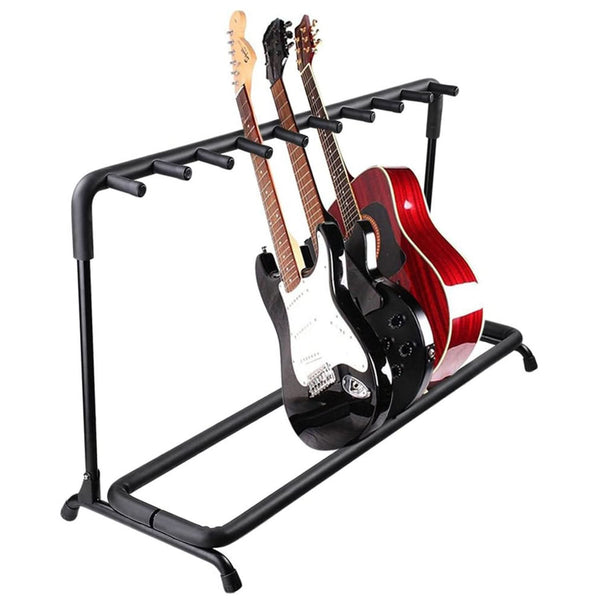
Vendor: 5 Core
5Core Multi Guitar Rack Stand Floor 9 Slot Adjustable Flying V Guitars Holder
SKU: GRack 9N1 OVALSale price: $37.61
Regular price: $74.00 -
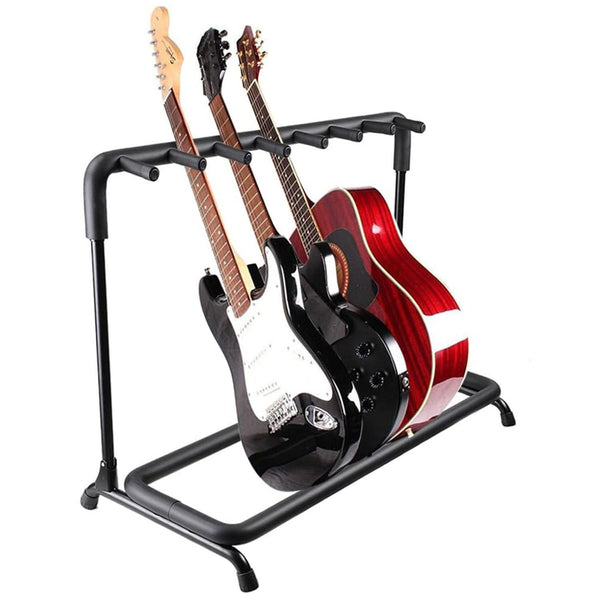
Vendor: 5 Core
5 Core Multi Guitar Rack Stand Floor 7 Slot Adjustable Flying V Guitars Holder
SKU: GRack 7N1 OVALSale price: $28.92
Regular price: $72.00 -
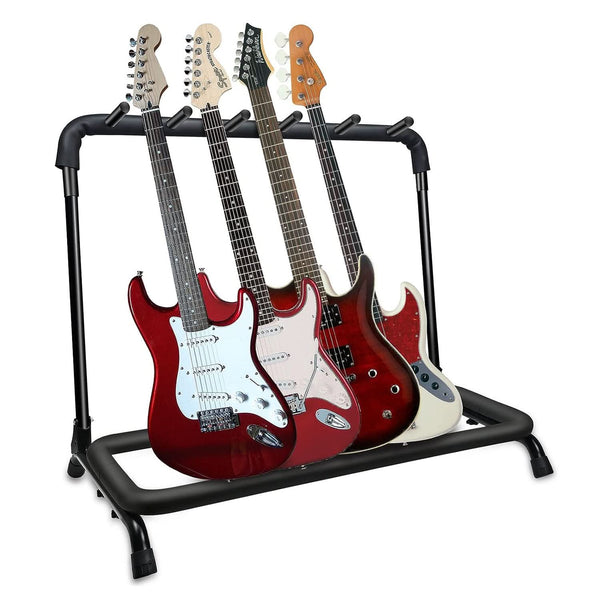
Vendor: 5 Core
5 Core Multi Guitar Rack Stand Floor 5 Slot Adjustable Flying V Guitars Holder
SKU: GRack 5N1 OVALSale price: $30.99
Regular price: $65.00 -
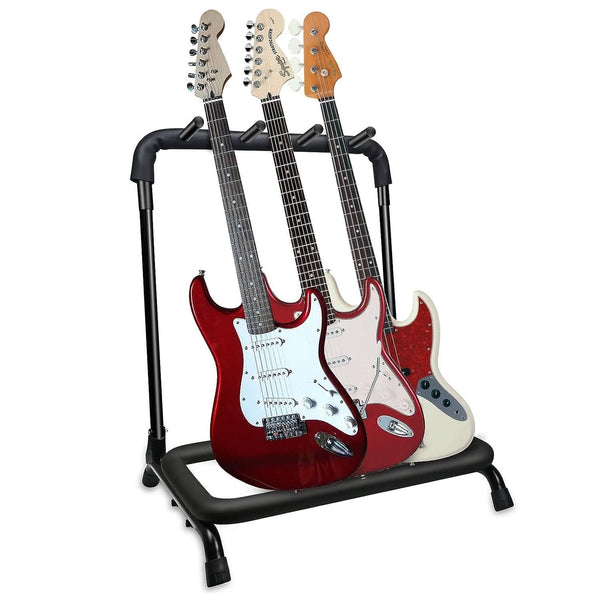
Vendor: 5 Core
5 Core Multi Guitar Rack Stand Floor 3 Slot Adjustable Flying V Guitars Holder
SKU: GRack 3N1 OVALSale price: $24.83
Regular price: $60.00 -
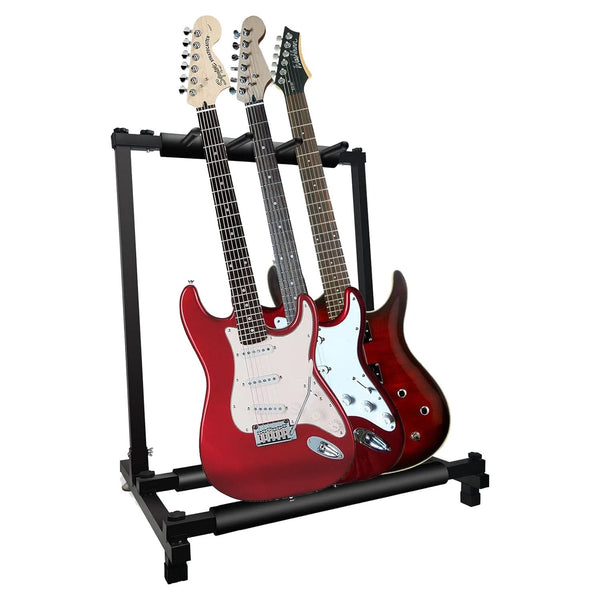
Vendor: 5 Core
5 Core Multi Guitar Rack Stand Floor 3 Slot Adjustable Flying V Guitars Holder
SKU: GRack 3N1Sale price: $26.63
Regular price: $56.00


Guitar Rack – Why Your Guitar Deserves a Proper Rack
Every guitar is vulnerable when it’s leaning against a wall, resting on a couch, or lying on the floor. A dedicated guitar rack or stand gives each instrument a safe, stable home, reducing the risk of knocks, falls, and long‑term neck stress that can lead to expensive repairs.
Proper storage also protects finishes, keeps your setup organized, and makes it easier to pick up the right guitar the moment inspiration hits. A guitar stand typically holds one or two instruments, while a guitar rack is designed to store three or more guitars in a single, efficient footprint – ideal for studios, stages, and growing collections.
Source- Guitarworld
2. Types of Guitar Racks
Not every player needs a touring‑grade rack, and not every collection fits on a simple single stand. Here are the main types you’ll see on this page and how they fit different players.
-
Single guitar stand (electric & acoustic): Great for beginners or minimal setups, these keep one guitar ready to play right next to your desk, amp, or couch. Many modern single stands have adjustable yokes and padding thatcan be used as electric guitar stand as well as acoustic guitar stand.
-
Double guitar stand: Ideal if you own an electric and an acoustic, or rotate between two tunings. A double stand gives both instruments a secure spot without taking up much more room than a single.
-
3 guitar stand / triple guitar stand: Triple stands let you park three instruments side‑by‑side in a compact space, making them a smart choice for band members, teachers, and home studios with a few “main” guitars.
-
Multi guitar stand / guitar stand for multiple guitars: Multi‑guitar racks are built to hold three to seven (or more) instruments on a shared frame. They’re widely used in studios and rehearsal spaces because they organize the whole collection and still allow quick, easy access.
-
Guitar rack for multiple guitars (studio & stage use): Studio and stage multi guitar stand emphasize stability, durable tubing, and neck‑locking systems, so guitars stay upright during busy sessions, quick changeovers, and crowded gigs.
-
Electric guitar stand floor models: These floor stands and racks are sized for typical solid‑body and offset shapes, with cradles that support slimmer bodies and angled headstocks without stressing the neck.
-
Universal racks for mixed guitar types: Universal racks are designed to handle electric, acoustic, and bass guitars in one unit, with deeper lower rails and wider neck spacing to accommodate different body depths and scales.
Source- Geekstand
3. Key Features to Look For When Buying a Guitar Rack
There are plenty of racks on the market, but a few core features separate the safe, long‑lasting options from the rest.
-
Construction durability: Look for steel or heavy‑duty metal frames with clean welds and sturdy joints. A solid frame resists flexing when fully loaded, which directly improves stability and safety.
-
Padding quality: Contact points on the guitar stands floor should have soft, non‑abrasive foam or rubber that won’t scratch finishes and is labeled as safe for sensitive finishes such as nitrocellulose.
-
Stability & anti‑-slip base: Wide bases and rubber feet create friction with the floor and reduce tipping, especially on smooth stages and studio floors.
-
Neck support style: Fixed or locking neck yokes hold the guitar upright and minimize the chance of a bump knocking it loose. Auto‑grip or locking mechanisms are especially useful for stage and rehearsal use.
-
Foldability & portability: If you travel or gig, choose racks that fold flat, assemble quickly, and don’t add unnecessary weight. Good touring racks balance robust build with practical portability.
-
Compatibility with acoustic, electric, and bass: Check depth, spacing, and weight rating. A rack that’s perfect for three Strats may not safely fit jumbo acoustics or heavy bass guitars unless it’s designed as universal.
-
Floor footprint considerations: Compare the rack’s listed width and depth to your actual space. Some stands trade a larger footprint for extra stability, while others are designed as slim space‑savers for tight rooms.
Source- Bettermusic
4. How to Measure Your Space Before Buying a Guitar Rack
A quick measuring session prevents buyer’s remorse and ensures your new rack integrates smoothly into your setup.
-
Step‑by‑step measuring process:
-
Measure the available width along the wall or area where the rack will live.
-
Measure depth from the wall (or back boundary) out to the point where people walk, doors open, or chairs move.
-
Note any obstacles such as amps, desks, and pedalboards that share the space.
-
Wall vs. studio floor layout: If the rack will sit against a wall, you mainly manage depth and door swing; if it will live in the middle of a room (e.g., between a desk and drum kit), allow extra buffer so players can walk around it comfortably.
For 3–7 guitar racks, it’s smart to allow at least 30–45 cm of clear space in front so you can lift guitars straight out without bumping furniture. In home, studio, or stage environments, ideal placement keeps the multi guitar stand close to where you play while avoiding tight walkways, doors, and high‑traffic paths.
Source- Bettermusic
5. Safety First – Preventing Your Guitars From Falling
Even the best rack can’t protect your guitars if it’s loaded or placed incorrectly. A few simple habits dramatically reduce risk.
-
Proper weight distribution: Load the center positions first and spread heavier instruments, like basses or semi‑hollows, across the rack so one side doesn’t become top‑heavy.
-
Using neck cradles correctly: Each guitar’s neck should sit fully in the yoke without twisting, and any locking or auto‑grip arms should be engaged before you step away, especially on stage.
-
Ensuring anti‑slip contact with the floor: Keep the floor under the rack clean and dry so the rubber feet can grip properly. On slick stages, consider using a rug under the rack to add extra friction.
-
Avoiding high‑traffic or unstable zones: Don’t park your guitar stands floor right beside doors, crowded walkways, or wobbly risers where a bump or vibration could topple it. A slightly more tucked‑away location is often much safer.
-
Material considerations that protect the guitar finish: If you use vintage or nitro‑finished instruments, look for racks specifically rated as finish‑safe, or add a soft cloth barrier over contact points as an extra layer of protection.
Source- Geekstand
6. Assembly & Setup Guide
Assembly steps vary by brand, so this section should give practical, experience‑based tips rather than replacing the manual.
-
General quick‑setup process: Start by building the base, then attach vertical posts and crossbars before adding neck rails, padding, and feet. Only load guitars after every screw and knob is tightened.
-
Common mistakes during assembly: Players often leave screws finger‑tight, skip end caps or feet, or misalign crossbars so the rack rocks on the floor. A minute spent checking for wobble before loading guitars can prevent accidents later.
-
How to balance multi‑guitar racks: After assembly, gently press on different corners to check for flex or movement. If it rocks, adjust the feet, reposition on a flatter section of floor, or rotate the rack before trusting it with a full collection.
-
Tips for gigging musicians who move racks often: Keep the necessary tools in your gig bag, mark typical multi guitar stand positions on stage with tape, and fold or break down the rack consistently between shows to avoid lost parts and rushed, unsafe setups.
Source - Guitarworld
7. How to Choose the Right Guitar Rack for Your Needs
This is where you guide visitors from information to the right product group on your collection page.
-
One guitar vs. multiple guitars: If you own one guitar and have limited room, a single stand is usually enough. Once you own two or more instruments, a multi‑guitar rack quickly becomes more space‑efficient, safer, and easier to manage.
-
Electric vs. acoustic fit considerations: Players with only slim electrics can use compact, narrow racks, while mixed setups with dreadnoughts and jumbo acoustics should choose deeper, universal designs that support larger bodies without forcing them to lean awkwardly.
-
Studio musicians vs. live performers vs. home players:
-
Home players should prioritize small footprint and aesthetics so the rack fits naturally into a living room or bedroom.
-
Studio musicians need quick access and higher capacity, often with multiple tunings and instruments ready to grab.
-
Live performers benefit from racks with neck locks, rugged construction, and easy foldability for transport between shows.
-
When to upgrade to a multi guitar stand rack: Recommend upgrading when single stands clutter the floor, new guitars no longer have a safe place to live, or teaching/recording requires several instruments in different tunings at arm’s reach.
Source- Guitarsnextdoor
8. Maintenance & Long‑Term Care of Your Guitar Rack
A well‑built rack should last for years, but only if it’s maintained with the same care you give your instruments.
-
Cleaning tips for foam/padding: Wipe contact points occasionally with a soft, slightly damp cloth to remove dust and sweat, then dry completely so moisture doesn’t transfer to your guitar’s finish.
-
Tightening screws and joints: Vibration from transport, foot traffic, and day‑to‑day use can loosen hardware over time. Make it a habit to check and gently re‑tighten screws, knobs, and bolts every few months, especially before tours or big sessions.
-
Checking for wear & tear: Inspect padding for cracks, hardened areas, or exposed metal, and look for bent rails or rust in high‑humidity environments. Replace damaged parts or the rack itself if any component compromises stability or finish safety.
-
Seasonal humidity considerations: Even with great racks, guitars still need stable temperature and humidity; extremely dry or humid rooms can warp necks and crack finishes. Racks work best in environments where the room itself is properly controlled.
Source- Thefretspot
9. Real User Scenarios – Which Rack Should You Get?
Use this section to map real‑world situations to specific rack types in your collection.
-
For beginners with one guitar: A sturdy, affordable single guitar stands floor near the practice area is more than enough, keeping the guitar visible and encouraging more playing.
-
For growing collections: Players moving from one to three or four guitars should look at triple stands and compact multi‑guitar racks that reduce clutter and make swapping instruments seamless.
-
For stage performers who need stability: Gigging musicians benefit most from heavy‑duty multi‑guitar racks with neck‑locking cradles, wide bases, and rugged tubing that can survive frequent transport.
-
For home studios with limited space: A 3–5 guitar rack designed to sit flush against a wall gives enough capacity for main electrics, an acoustic, and a bass while keeping the room tidy.
-
For professional studios with multiple instruments: Higher‑capacity universal guitar stands floor with finish‑safe padding and clear visibility make it easy for artists and engineers to grab the right guitar quickly during sessions.
10. FAQs
Question: Can one rack hold both electric and acoustic guitars?
Answer: Many universal multi‑guitar racks are designed to hold electric, acoustic, and bass instruments together, as long as body depth and neck spacing match the rack’s specifications.
Question: Will the electric guitar stand damage my guitar’s finish?
Answer: Quality racks or stands use soft, non‑abrasive padding, often labeled as finish‑safe, but sensitive finishes like nitro may still benefit from an extra cloth barrier over contact points.
Question: What’s the ideal number of guitars per stand?
Answer: For most home and project studios, a capacity of 3–5 guitars balances stability, floor space, and easy access, while larger studios may choose 5–7 guitar racks.
Question: Is a multi guitar stand safe for heavy bass guitars?
Answer: Yes, as long as the rack is rated for the weight and offers enough depth and neck support, with heavier instruments distributed evenly rather than all on one side.
Question: How much floor space does a multi guitar stand rack need?
Answer: Expect a footprint similar to a small bookcase in width and enough depth to tilt guitars in and out comfortably; exact dimensions vary by design, so checking specs against your room is essential.
Question: Are foldable guitar stands stable enough?
Answer: Foldable racks from reputable brands are designed to lock securely and remain stable when assembled correctly and not overloaded, making them suitable for both home and stage use.
11. Conclusion
A well‑chosen guitar rack does more than tidy up your space; it actively protects your instruments from falls, finish damage, and day‑to‑day accidents while keeping every guitar ready to play.
By matching the rack’s capacity, footprint, and features to your number of guitars, room size, and playing style, you give each instrument a safe, long‑term home and create a space that inspires you to pick up the right guitar every time.
Author Bio - Alex Even
Hi, I’m Alex Even. I’ve been working in the pro audio industry for over 15 years, specializing in everything from studio recording setups to live sound systems. Whether it’s fine-tuning a PA DJ system, choosing the right microphone, drum stool, keyboard bench or setting up a home studio, karaoke setup, I’ve spent years helping musicians, audio engineers, and content creators get the sound they’re looking for. I’m passionate about making audio technology easy to understand and even easier to use—because great sound should be accessible to everyone.
