

Filtrar y ordenar

-



Proveedor: 5 Core
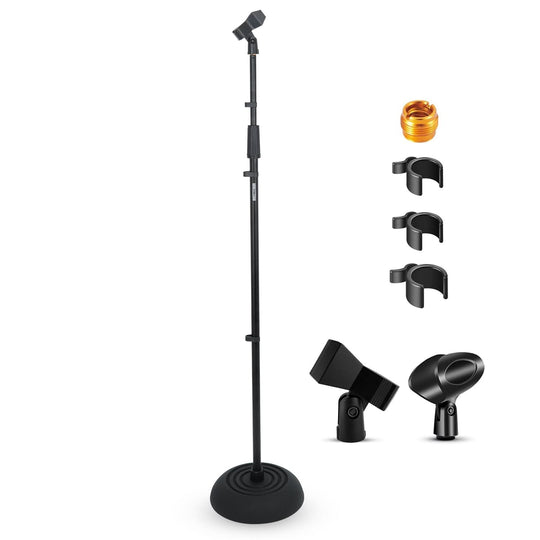
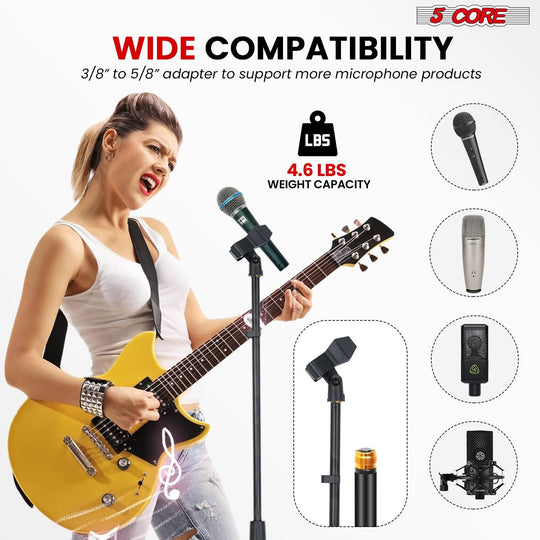
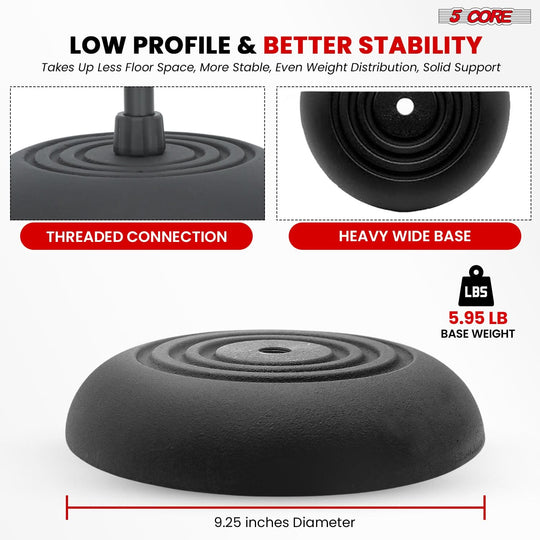
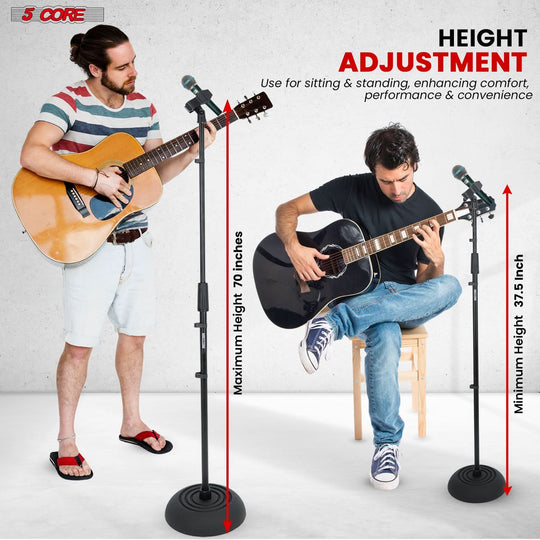
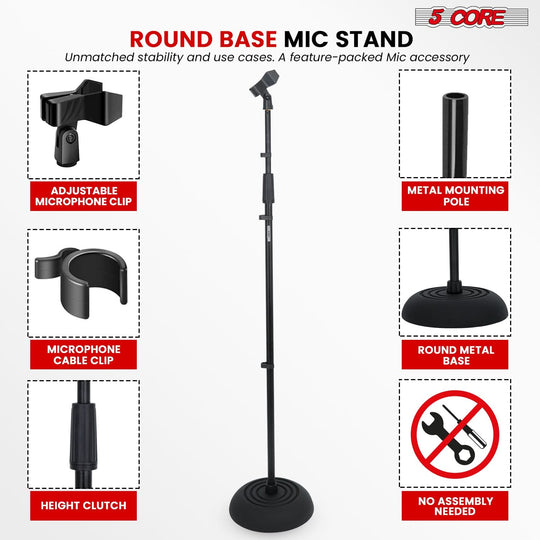
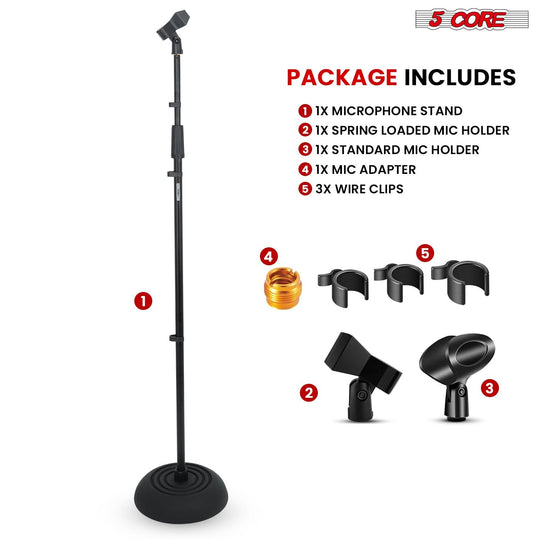
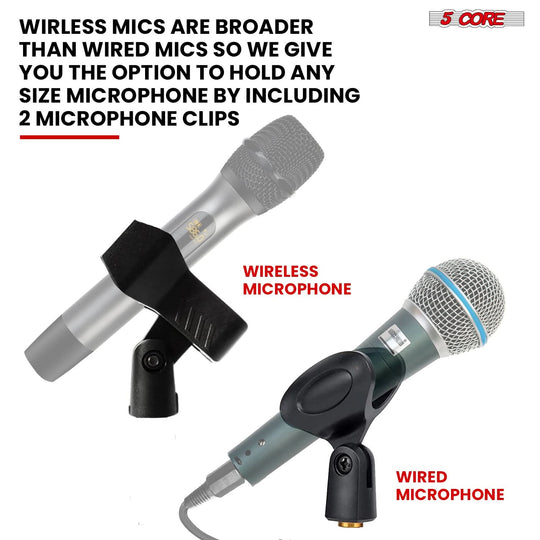
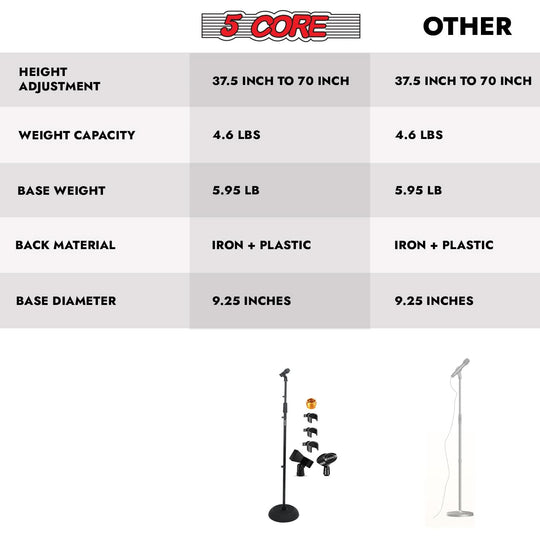
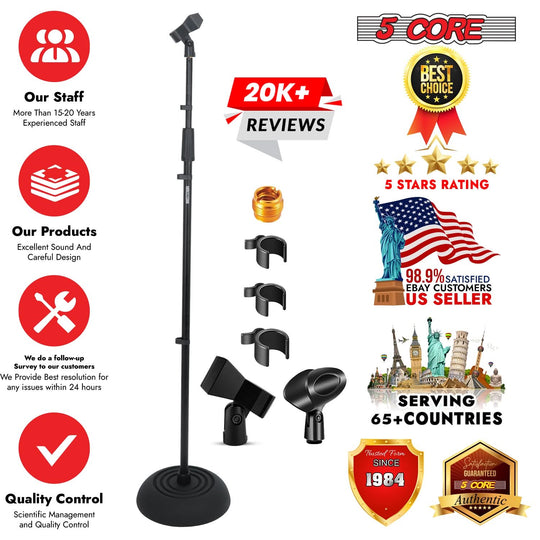
5Core Mic Stand Floor Heavy Duty Height Adjustable Pedestal Para Microfono for Singing On Stage Studio
SKU: MS RBP5About Item:【Height Adjustable Mic Stand】 – Effortlessly adjusts from 37.5 to 70 inches, offering flexibility for both stage and studio use. Perfect for capturing optimal sound in any setup.【Superior Stability】 – Round base metal floor plate...Precio de oferta $31.99Precio regular $80.00 -


Proveedor: 5 Core
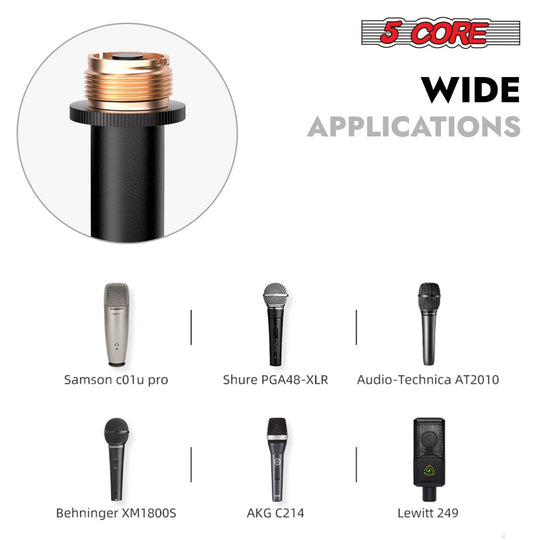
5 Core Microphone Stand Universal Floor Height Adjustable 35 to 57" Round Base Mic Stands Quick Setting Lock-Tight Knob w 5/8 Thread Adapter
SKU: MS RBL HND CLCH【Height Adjustable Mic Stand 】 – Ranges from 35 to 57 inches with a hand clutch for easy height adjustments, fitting various performers and applications.【Heavy-Duty Build】 – Full metal boom with a round base, featuring anti-corrosion paint...Precio de oferta $33.99Precio regular $69.00


Introduction – Why Your Mic Deserves a Proper Microphone Stand
A solid microphone stand is essential for stability, consistency, and hands-free use during performances or recording sessions. Round base mic stands provide excellent balance by using a heavy, solid metal base that keeps the stand firmly planted, especially in tall configurations. Unlike tripod boom stands, which spread three legs out on the floor, round base stands take up less floor space and reduce tripping hazards, making them ideal for stages, studios, and speech settings where space or aesthetics matter.
Source- Electromarket
Types of Round Base Microphone Stands
-
Standard round base mic stands: Fixed bases, often weighted metal, used for general vocal or speech applications. They stay put and look clean on stage.
-
Tall microphone stands: Extended height versions designed for standing vocalists or performers needing extra reach without compromising stability.
-
Round base boom mic stands: Incorporate adjustable boom arms for flexible mic positioning on instruments or vocals, balancing reach and footprint.
-
Short round base stands: Sized for seated performers or instrument miking where height and compactness are priorities.
-
Fixed vs. adjustable height: Fixed stands offer maximum stability with no moving parts, while adjustable stands provide height customization suited to varying scenarios.
Source - Geekstands
Key Features to Look For When Buying Microphone Stands
-
Heavy, weighted base to maximize stability and prevent tipping.
-
Adequate height adjustability to fit both seated and standing users.
-
Boom arm length and flexibility for precise placement, especially with instrument mics.
-
Thread compatibility to ensure secure attachment of popular mic clips and holders.
-
Durable construction using steel or metal alloys for long life and rugged use.
-
Anti-vibration features to reduce unwanted handling noise.
-
Cable management options to keep cables tidy and reduce strain.
-
Ease of handling for quick adjustments during performances or sessions.
Source- Geekstand
How to Measure Your Setup Before Buying
-
Identify minimum and maximum microphone height required for your use (seated vs standing).
-
Account for the smaller footprint of round bases compared to tripod legs in tight spaces or crowded stages.
-
Evaluate boom arm reach on mic stand floor needs based on mic placement flexibility.
-
Consider microphone weight to ensure the stand will be balanced and steady.
-
Plan microphone stand floor placement for space availability in studios, rehearsal rooms, or stages.
Source- Electromarket
Safety First – How to Prevent Your Mic From Falling
-
Balance boom arms carefully on round bases to avoid tipping.
-
Always fully tighten height adjusters and locking knobs.
-
Position the base centrally beneath the mic to maximize support.
-
Avoid cable tension pulling on the microphone or stand.
-
Regularly inspect all hardware lock mechanisms and replace worn parts if necessary.
-
Use additional weighting or sandbags for outdoor or high-movement environments.
Assembly & Setup Guide
-
Begin by securely assembling the weighted base and shaft according to instructions.
-
Attach microphone clips or shock mounts firmly ensuring compatibility.
-
Adjust stand height and boom arm length carefully to prevent imbalance.
-
Position stands based on the application: vocals, podcasting, instruments, or speech.
-
Avoid loose clamp screws, improperly balanced booms, and unstable floor positioning.
Source- Geekstands
How to Choose the Right Microphone Stand for Your Needs
-
Vocalists needing tall, stable support should prioritize heavy round bases with adjustable height.
-
Podcasters often prefer round base stands due to their compact footprint and clean look.
-
Studio musicians benefit from boom stands that provide precision mic placement flexibility.
-
Instrumentalists typically require adjustable boom arms with sturdy bases.
-
Public speakers value stands with minimal footprint and maximum stability.
Maintenance & Long-Term Care of Microphone Stands
-
Clean metal surfaces and mic threads regularly with a soft cloth.
-
Tighten screws, knobs, and clutch mechanisms routinely to prevent slippage.
-
Protect against rust by storing stands dry and avoiding moisture exposure.
-
Maintain round base rubber padding to keep anti-slip properties effective.
-
Store properly for transport to avoid damage or bent components.
Real User Scenarios – Which Microphone Stand Should You Get?
-
Live performers benefit from tall, weighted round base mic stand floor for stage stability.
-
Studio engineers prefer round base boom stands for precise mic positioning and flexibility.
-
Podcasters want clean, compact stands that take minimal floor space.
-
Speech and presentation settings need solid, reliable stands with minimal trip hazard.
-
Instrument recording setups require flexible, adjustable boom stands with sturdy bases.
FAQs
Question: Are round base stands more stable than tripod stands?
Answer: Yes, weighted round bases provide excellent stability and prevent tripping accidents; tripods offer portability but larger footprints.
Question: How tall can a microphone stand floor stand go?
Answer: Varies by model but can extend well beyond typical standing height to accommodate stage vocalists and performers.
Question: Can I use a boom arm with a round base?
Answer: Yes, rounds bases often support boom arms, but balance must be maintained to avoid tipping.
Question: Will this stand hold heavy condenser mics?
Answer: Heavy-duty round base stands with strong materials and quality locking mechanisms can safely support heavier microphones.
Question: Do mic stand floor come with clips?
Answer: Many include standard clips; verify compatibility with your microphone model before purchase.
Question: How do I stop the mic from sliding down during performance?
Answer: Firmly tighten clutch mechanisms and regularly maintain locking components.
Conclusion
Round base microphone stand floor deliver the stability, balance, and professional appearance needed for every stage, studio, and speaking engagement. By selecting stands that match your height requirements, mic weight, and usage environment, you ensure consistent, high-quality performances with minimal disruption and maximum safety.
Author Bio- Alex Even
Hi, I’m Alex Even. I’ve been working in the pro audio industry for over 15 years, specializing in everything from studio recording setups to live sound systems. Whether it’s fine-tuning a PA DJ system, choosing the right microphone, drum stool, keyboard bench or setting up a home studio, karaoke setup, I’ve spent years helping musicians, audio engineers, and content creators get the sound they’re looking for. I’m passionate about making audio technology easy to understand and even easier to use—because great sound should be accessible to everyone